


Unraveling the Enigma of The Legend of the Windigo (Cree)
- BLAZE

- Mar 31
- 3 min read
The Windigo legend is a captivating tale that has resonated through generations among the Cree people of North America. Deeply rooted in their traditions, this legend embodies communal fears and moral lessons. More than just a frightening creature, the Windigo represents the destructive aspects of human nature—especially greed and unchecked consumption.
In this blog post, we will explore the origins, characteristics, and cultural significance of the Windigo, shedding light on how this chilling legend continues to hold relevance in today's society.
The Origins of the Windigo Legend
The origins of the Windigo legend can be traced back to the indigenous tribes of North America, particularly the Algonquian peoples, which include the Cree. Often envisioned as a malevolent spirit tied to winter and starvation, the Windigo embodies an endless craving for human flesh.
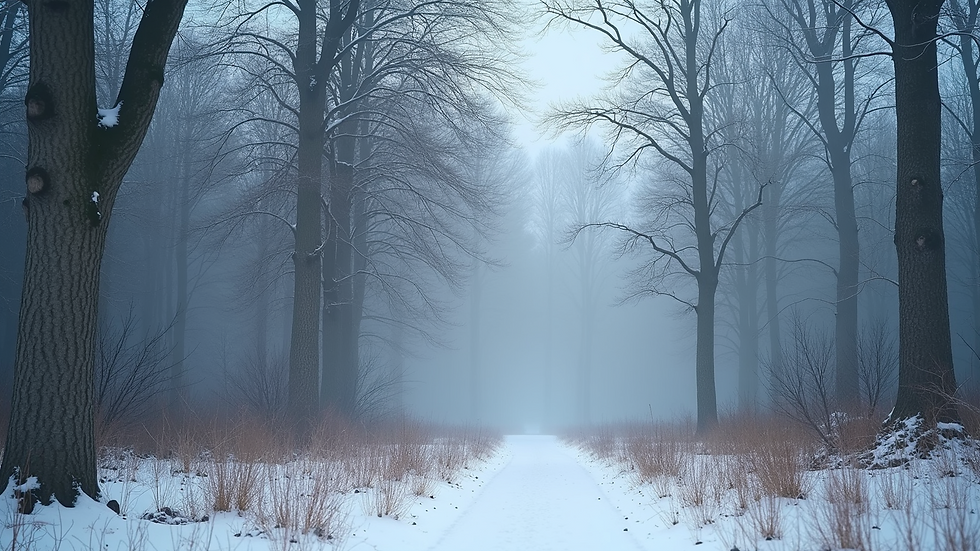
Stories tell of the Windigo surfacing during harsh winters when food scarcity became dire. In these extreme times, some individuals, driven by desperation, might resort to cannibalism, thus inviting the Windigo spirit into themselves. Once this spirit possesses someone, that person turns into a nightmarish version of themselves, filled with a relentless hunger for human flesh, wandering the cold wilderness in search of victims.
Research shows that around 70% of Windigo stories are tied to lessons about the importance of community and the dire consequences of isolation. This legend serves as a powerful reminder of the balance between humanity and nature, underlining the potential dangers of succumbing to our basest desires.
The Characteristics of the Windigo
Descriptions of the Windigo vary, but it is generally depicted as a towering creature, often reaching heights of up to 15 feet, with a gaunt and emaciated body. Its skin is typically described as pale or green, emanating a foul odor akin to rotting flesh. The Windigo is feared for its icy cold presence, which many see as a direct link to its connection with winter.
What makes the Windigo particularly terrifying is its insatiable appetite for more—whether it be human flesh or suffering. Once someone becomes a Windigo, their transformation is considered irreversible. This fate serves as a stark warning to the community.
Understanding these features prompts reflection on humanity's darker tendencies. The tale suggests that unchecked greed or selfishness can lead us down a Windigo-like path, emphasizing the necessity for empathy and connection with others.
The Cultural Significance
The Windigo legend functions as more than just a horror story; it conveys values and beliefs that are crucial to the Cree and other indigenous peoples. These narratives consistently focus on survival, community, and moral responsibility. The Windigo is often portrayed as a consequence of betrayal and the burdens of personal choices.
The Windigo also symbolizes the real threat of colonization and the devastation of natural resources. As settlers encroached upon indigenous lands, the resulting challenges echoed themes from Windigo tales—greed, excessive consumption, and the disintegration of community bonds.

Today, the Windigo legend has transformed, finding expression in various forms of art and literature. Authors, filmmakers, and artists tap into this rich cultural lore to engage wider audiences, aiming to entertain while raising awareness about pressing societal issues.
Modern Interpretations and Adaptations
In today’s culture, the Windigo legend finds its echoes in modern horror films and literature. Themes of monstrosity and the repercussions of greed resonate with contemporary audiences. Notably, writers like Louise Erdrich have skillfully adapted these themes to address challenges faced by indigenous peoples today, including environmental concerns.
Recent studies show that adaptations featuring the Windigo often generate discussions about the morality of consumption and the ongoing effects of climate change on indigenous communities. By integrating the Windigo spirit into contemporary narratives, artists highlight how these age-old stories remain relevant and crucial to understanding our current societal dilemmas.

As awareness of these narratives grows, they act as more than cautionary tales; they become platforms for amplifying indigenous voices and perspectives. The Windigo legend continues to evolve, showing that folklore can be a living narrative, promoting dialogue and awareness in a changing world.
Final Thoughts
The legend of the Windigo is a rich narrative that extends beyond folklore. Deeply embedded in Cree culture, it reflects our fears, desires, and the moral choices we face.
Engaging with Windigo stories encourages us to confront our own darker impulses while valuing community, empathy, and mindfulness in our relationship with nature and one another.
As we continue to unravel the mystery of the Windigo, it remains a haunting yet vital part of cultural storytelling. This legend urges us to learn from past lessons while navigating the challenges of contemporary life.


Comments