


What Really Happened to Marie Antoinette? Uncovering the Truth Behind the Queen's Lavish Lifestyle and Tragic End
- OldPen

- Mar 25
- 4 min read
Marie Antoinette, the last Queen of France before the French Revolution, remains a figure of enduring interest and debate. Known for her extravagant lifestyle, she became a symbol of royal excess during a time when the country faced significant poverty and unrest. This post explores the complexities of her life, from her lavish beginnings to her tragic demise, uncovering the truths behind her notorious legacy.
The Early Years of Marie Antoinette
Marie Antoinette was born on November 2, 1755, in Vienna, Austria, to Empress Maria Theresa and Emperor Francis I. As the fifteenth child of a powerful royal family, she was destined for a life of luxury. In 1770, at just 14 years old, she married Louis XVI of France. This strategic union aimed to bolster ties between Austria and France.
Her life in France began with challenges. Upon arrival, she faced criticism for her foreign roots and had to navigate the intricate landscape of French court life. Despite this, her youthful charm soon won over many in France, where her elegance and beauty set her apart.
The Rise of Extravagance
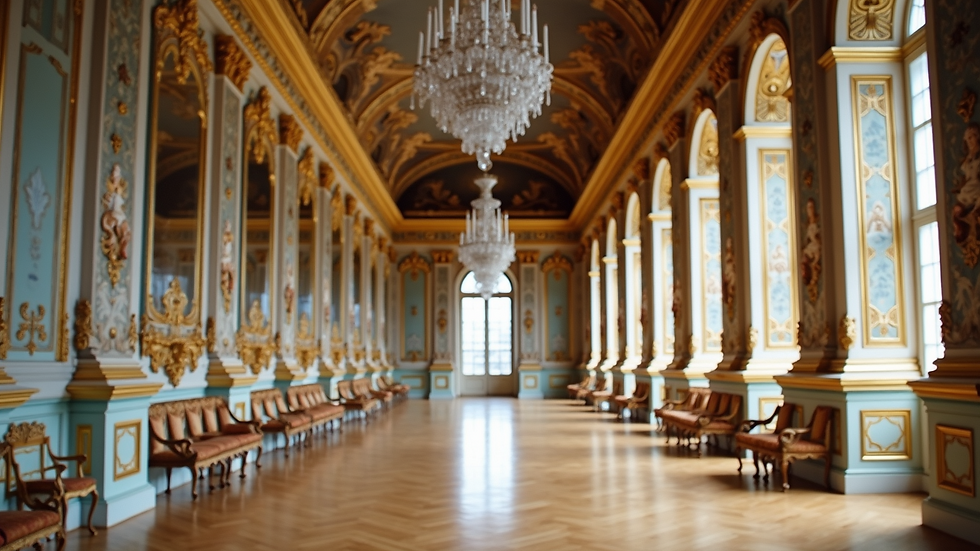
As Queen, Marie Antoinette gained a reputation for extravagance. The grand celebrations and events she hosted at the Palace of Versailles became famous. Records show that in her early years as queen, she spent approximately 1.5 million livres annually on personal luxuries, including gowns, jewelry, and extravagant parties.
Some historians argue that Marie Antoinette was merely a target of circumstance. Yet, others believe her lavish spending played a role in France's mounting financial crisis in the late 18th century. The infamous phrase "Let them eat cake," often misattributed to her, exemplifies the public perception of her indifference to the plight of the poor, even though there is little concrete evidence that she actually uttered those words.
Personal Life and Scandals
Marie Antoinette's personal life was riddled with scandals that damaged her reputation. A notable incident was the "Diamond Necklace Affair" in 1785, where she was wrongly implicated in a plot to defraud a wealthy cardinal. This scandal had significant consequences, leading to a public outcry and placing her under intense scrutiny.
Additionally, her close ties with favorites at court, particularly women like the Duchess de Polignac, generated gossip and rumors about her private life. Even as she lived amidst luxury, these relationships often highlighted her isolation in a court that had once celebrated her.
The Spark of Revolution
As discontent simmered among the French populace, the atmosphere turned volatile. By 1789, the price of bread soared to 88 sous per loaf, and the economy was in turmoil, pushing thousands to the brink of starvation. Public sentiment shifted sharply against Marie Antoinette. She became a focal point for the dissatisfaction directed at the monarchy as revolution brewed.
In June of 1789, the French Revolution began in earnest, leading to the royal family's attempt to escape Paris. Their capture in Varennes became a pivotal moment, stripping the monarchy of any remaining support among the populace.

The Fall and Imprisonment
With the revolution gaining momentum, Marie Antoinette and Louis XVI were imprisoned. The monarchy was officially abolished in August 1792, and the former queen faced the ire of a populace that once adored her. Her trial became a spectacle filled with public outrage and political fervor, culminating in a guilty verdict for treason.
On October 16, 1793, Marie Antoinette met her end at the guillotine. This tragic event marked a chilling chapter in French history and fueled further discussions about the monarchy's role amid rising social injustice.
Legacy: A Symbol of Royal Excess
Marie Antoinette’s life and death serve as a powerful reflection of the tumultuous era she inhabited. Although she is often criticized for her flamboyant lifestyle, it is vital to understand her actions within the broader context of 18th-century France. Her lifestyle was symptoms of a monarchy that had lost touch with its people.
Historians have continued to examine her legacy, trying to unravel the myths surrounding her story. Was she a naïve queen oblivious to her surroundings, or a scapegoat for a failing system? The reality is likely complex, situated somewhere in the middle.
Today, Marie Antoinette remains a symbol of royal excess and the stark divide between classes. Her story influences discussions on feminine power and the consequences of a disconnect between rulers and the governed.
Reflecting on History's Lessons
Marie Antoinette's life serves as a reminder of the dangers of excess and the obligations that come with power. Her path from naïveté to tragedy illustrates the delicate balance of leadership in times of societal upheaval. We can reflect on her story to gain insights into the complexities of history and the lessons that continue to resonate in contemporary society.
In a world grappling with inequality and power dynamics, Marie Antoinette's legacy challenges us to consider the responsibilities that accompany privilege. The truths surrounding her life and tragic end remain embedded in our historical narrative, urging continuous exploration and discourse.


Comments